3 things our presales team wish you knew before you spend millions on migration
Insights from the Uxopian presales team · 6 min read
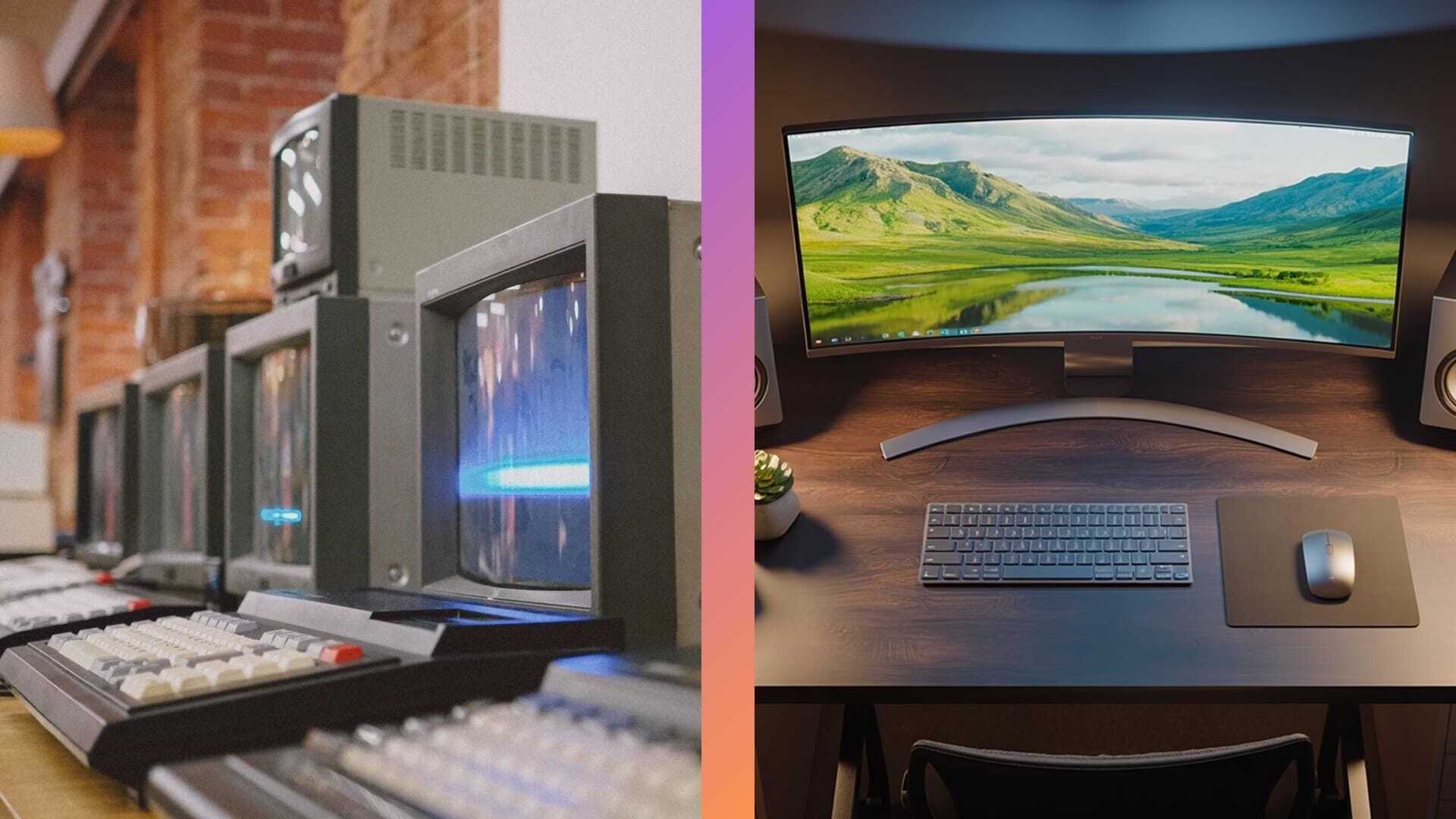
Why is the "Gear" so easy, but the "Data" so hard?
Think about how far we've come with the things we can actually touch. If you put an old computer from the 80s next to a modern laptop, the difference is staggering. As humans, we've gotten incredibly good at building better "hardware." We've mastered faster chips, sharper screens, and sleeker designs. It's easy to see the progress because you can hold it in your hands.
But here is the weird part. Why is it that as our machines get more powerful, the data inside them still feels so difficult to handle?
It's because data isn't palpable. You can't grab a handful of "customer records" or "legal contracts" and physically move them to a new box. Because we can't see it, we've treated it like this mysterious, fragile thing that is terrifying to touch. We've perfected the hardware, but we are still struggling to move the "soul" of the machine without breaking everything.
A quick note from the "Non-Tech" person in the room
I'll be the first to admit it. I'm a marketing person, not an engineer. I don't have a degree in computer science, and I definitely don't spend my days writing code. But I've spent the last decade watching these big digital projects hit a wall at the exact same spot.
I'm writing this because I want to talk about why moving data is such a headache, and I want to do it in a way that actually makes sense to the rest of us. You shouldn't need a PhD in IT just to understand why your project is stuck in the mud.

Moving past the "Migration Bottleneck"
For the past ten years, I've watched digital projects stall at the same hurdle. We usually call it the migration bottleneck. For a long time, people have treated this as a "necessary evil." It's seen as a slow, manual slog where the only goal is to survive without losing important files or breaking the way everyone works. We've basically been told to accept that moving data means months of downtime and high failure rates. We're told it's just the price of progress.
That is finally changing. It's changing because we've stopped looking at migration as a simple "copy and paste" job. At Uxopian, our approach flips the script. Instead of using messy, one-size-fits-all scripts that treat your data like dead weight, we built a way to prioritize accuracy and automate the boring parts. It is no longer about whether you can move your data, but how fast you can actually start using it in your new home.
To give you a real-world example, imagine a global company merging two massive departments. In the old way, a lone engineer drags documents through a narrow gate, fixing broken files one by one. In the new way, the whole backlog flows through an intelligence hub that maps and preserves history in real time.
With our approach, that same team uses tools to map out everything in real time. It keeps every bit of history and context where it belongs. It turns a high-risk, multi-year project into a smooth operation. It means your staff can actually find their files on Monday morning after a weekend transition.
The goal isn't just to finish a migration. It's to get rid of "migration anxiety" entirely. If you're tired of data projects that feel like they are stuck, it is time to move away from the manual mindset. You can see exactly how we're shortening that timeline here: uxopian.com/en/accelerated-migration.
3 things tech teams didn't know before migrating (that could have saved them millions)
I sat down with our team to ask what they wish people knew before they started. Here is the advice they give to their friends.
I know it's tempting to try and move everything in one giant window, but that's usually where things go sideways. Even if you have millions of documents, you should still break the work into smaller groups. It makes the whole process feel manageable. If something goes wrong, you only have to fix a small batch instead of restarting the whole engine.
The hardest part of a migration isn't the technical act of moving data. It's the mental work of deciding what you actually need and where it should go. Most projects drag on because people get stuck in the planning phase. When you use Fast2, the actual moving happens so quickly that you can stop worrying about the technical side. We've seen projects that were supposed to take a year get finished in three months.
If you've ever looked at a complex requirement and thought "there is no way we can automate this," I'd suggest taking another look at what we do. Most of the time, the things that feel impossible (like messy file histories or complicated permissions) are actually problems we've already solved. You might just need a better tool for the job.
See it in action: Migration walkthroughs
Sometimes it's just easier to see it for yourself. We've put together a few demos (we call them explainers) that show exactly how we handle different setups.
Stop surviving migrations. Start accelerating them.
Cut the timeline, keep the context, skip the anxiety. See how our presales team turns a multi-year project into a weekend transition.